Jul 9, 2026
How to Install LED Strip Lights: 6-Step And 8 Critical Safety Rules
Master LED strip installation! Follow our 6-step DIY guide and 8 essential safety rules to prevent shorts, flickering, and fire hazards. Perfect for beginners!
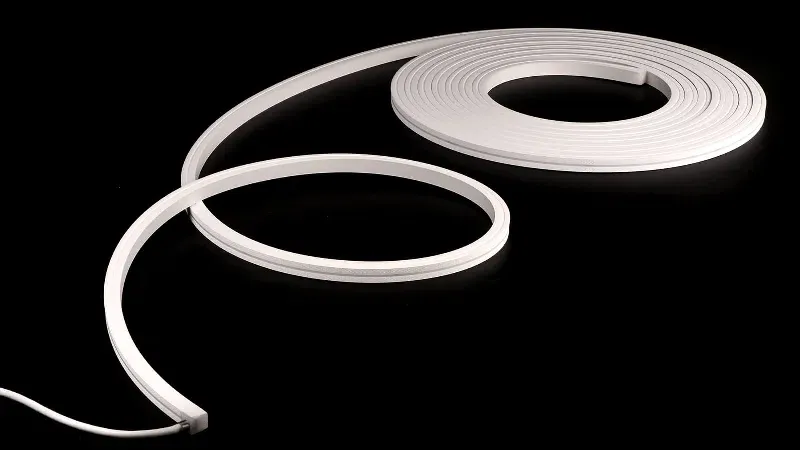
How to Install LED Strip Lights: 6-Step Guide + 8 Critical Safety Rules
LED strip lights are a top choice for modern home and commercial lighting due to their brightness, energy efficiency, and versatility. However, improper installation can lead to dead zones, flickering, or even severe safety hazards. This comprehensive guide provides a 6-step standard installation process and 8 non-negotiable safety rules to help you install LED strips safely and flawlessly.
The 6-Step LED Strip Installation Process
1. Gather Your Tools & Materials
- Essential Tools: Scissors, tape measure, screwdriver, electrical tape, power adapter, and connectors.
- Core Materials: LED strip, driver/power supply, jumper wires, PVC end caps (for waterproofing), and silicone sealant (for outdoor use).
- Pro Tip: Choose strips with high-quality 3M adhesive backing for an easier, more secure installation.
2. Measure and Cut Accurately
- Use a tape measure to determine the exact length needed to avoid waste.
- CRITICAL RULE: Always cut at the designated scissor marks (usually every 2–4 inches / 5–10 cm). Cutting anywhere else will destroy the circuit and cause dead sections.
- Ensure the cut edge is clean and free of copper burrs before connecting.
3. Connect Power & Strips Safely
- POWER OFF FIRST: Always ensure the main power is disconnected before wiring!
- Match the connector pins carefully. Pay strict attention to polarity (Red = Positive/+ , Black = Negative/-).
- Use solderless snap-on connectors or professional soldering for permanent joints to prevent loose connections.
- Quick Test: Briefly plug in the power to verify the strip lights up evenly without flickering before mounting.
4. Mount the LED Strip
- Indoor/Dry Areas: Peel off the adhesive backing and press firmly onto a clean, dry surface. Use a squeegee to eliminate air bubbles.
- Outdoor/Humid Areas: Mount inside aluminum channels and apply silicone sealant over all connection points.
- Corners: Bend gently around curves. Never fold at a sharp 90° angle, as this will crack the PCB and break the LEDs.
5. Seal and Finalize Connections
- Slide PVC end caps onto the exposed cut ends of the strip and seal with silicone to prevent moisture ingress and short circuits.
- Route and organize cables neatly using clips or wire ties to avoid tripping hazards or exposed wiring.
- Double-check that no bare copper wires are touching each other or metal surfaces.
6. Final Power-On Test
- Restore power and inspect the entire run for uniform brightness, dark spots, or flickering.
- If using smart controllers, remotes, or apps, test all functions (dimming, color changing) to ensure seamless integration.
8 Non-Negotiable Safety Rules (Read Before Installing!)
- Always Work De-Energized: Never touch exposed wires while the system is plugged in. Turn off the breaker to prevent electrocution.
- Never Exceed Max Load Capacity: Do not connect multiple long runs end-to-end beyond the driver’s wattage limit. Daisy-chaining too many strips causes voltage drop, dimming, and overheating. (Rule of thumb: Max 16 ft / 5m per continuous run).
- Check Polarity Before Powering On: Reversing positive and negative wires will instantly fry the LEDs. Always double-check before plugging in.
- Waterproof All Wet-Area Joints: For kitchens, bathrooms, or outdoors, use IP65+ rated strips AND IP65-rated drivers. Seal all splices; water entering a joint is the #1 cause of failure.
- Maintain Clearance from Flammables: Keep strips and power supplies at least 4 inches (10 cm) away from curtains, wood, or insulation to prevent fire risks.
- Ensure Proper Ventilation: Drivers generate heat. Install them in open, ventilated spaces—never bury them in insulation or cover them with flammable materials.
- Avoid Physical Damage: Do not pinch strips under heavy furniture or expose them to sharp edges. Crushed strips cause internal shorts.
Buy Certified Products Only: Only purchase strips and drivers with recognized safety certifications (UL, CE, FCC, RoHS). Uncertified, cheap electronics pose severe fire and shock hazards.
Frequently Asked Questions (FAQ)
Q: Why is part of my LED strip not lighting up?
A: Check three things: Did you cut exactly on the marked line? Are the connectors seated tightly? Is your power supply large enough to handle the total wattage?
Q: My LED strip is flickering. How do I fix it?
A: Flickering usually indicates an incompatible or failing driver, loose wiring, or an overloaded circuit. Try replacing the driver or tightening all connections.
Q: Can I mix different brands of LED strips on the same driver?
A: It is highly discouraged. Different brands often have varying voltage drops, current requirements, and color temperatures, which can lead to uneven lighting or premature failure.
Author: [HSTLIGHT]
Published: June 22, 2026
Source: [hstlight.com]